

Nature’s Way

“The Lemaire Channel, it is just so beautiful. It is the most photographed place in all Antarctica.”
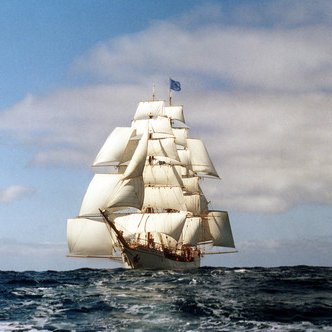
Our guide tells us to wake early so as not to miss a moment. The cold is sharp here; it bites through layers. With the water at 1.1 degrees Celsius and the air at freezing, a thick fog had flowed into the channel with the night. At times we could see the sheer cliffs of rock and ice when they shifted close. At others, only the floating ice emerged from the chill mists, before passing silently then disappearing astern. As the fog swallows the low rumble of Europa’s engines, the only sound is the crunching for small ice knocked aside by our steel hull, which barely ripples the still waters.

Were we The Flying Dutchman ghost ship, destined only to appear upon mortal earth once per decade on the chance of finding redemption for sins past as only found in true love? Or perhaps the Octavius, the 1700s China trader, which entered the Northwest Passage through the Bering Sea only to be found a decade later by Greenland whalers terrified to find the captain frozen grimly at his desk with his logbook open before him. The first known to have traversed that treacherous passage.


These analogies do not seem so foreign as we glide by icebergs, some as tall as our ship. For hours we remained on deck, despite the chill, to see what next will be revealed from the fog. Today nature has hidden her wonders.
In the afternoon, close by the Ukrainian station of Vernadsky, many of us sat witness to a far different spectacle. The bare rock of the station’s grounds ran thick with gentoo penguins. By the shore, they clustered in groups, each daring another to be first to dive into the frigid waters. A hundred meters offshore a raft of thirty or more penguins swung for shore, but they spun an about face and were soon spotted rocketing away in the opposite direction.
The reason soon became clear. A massive leopard seal surfaced near the Zodiac boats we had boarded for the afternoon. He inspected us carefully, surfacing to different sides to stare at us. Did we fit his primal brain as: predator, prey, or of no consequence? Once we were satisfactorily settled into the final category, he disappeared below the surface, leaving us to check our cameras for good photos.
As we were about to move on, a penguin erupted from the surface—partially trapped in the leopard seal’s heavy-toothed jaw. For minutes, we watched in fascination as the penguin surfaced again and again, at times caught, at times making a valiant though fruitless bid for escape.
And then it was over—or so we thought. Except a leopard seal doesn’t want to eat all of the feathers and skin. To avoid this problem, it takes a small bit of the gentoo’s skin in its teeth, then flings the bird aside with great force and a giant splash. He does this time and again, each violent toss one step closer to stripping the skin away and leaving only the bloody innards behind. At last, satisfied, it eats and disappears below the surface once more. The only sign of the event are glimpses of a bloody patch where bits of penguin begin to sink.
What remains? A surface as placid and calm as the waters had been when our ship had ghosted through the foggy Lemaire Channel.
Nature has her ways about her, and we’re left to observe. We each must find a way inside ourselves to reconcile these two demonstrations of her force—her beauty and her ruthless power.
